 16–17years
 8–11years
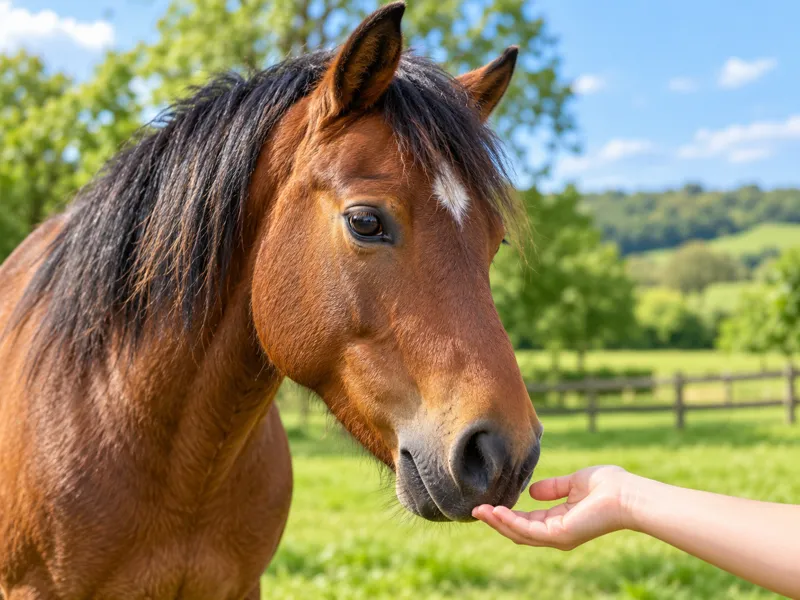 8–11
8–11Flexible learning. Real achievements.
There is more than one way to learn and grow.
Equine courses, practical skills and recognised learning pathways for young people.
Not for profitSC876746Community Interest Company
Recognised & Accredited
Unique Neuro-inclusive learning built around individual strengths, needs and goals.
What we offer
Horse courses for every stage, from 8 to 17
Short, interest-led lessons from 8. Deeper knowledge and accredited options from 12. Work-ready skills at 16 and 17.
- 8–11 Explore
- 12–15 Develop
- 16–17 Launch
8–11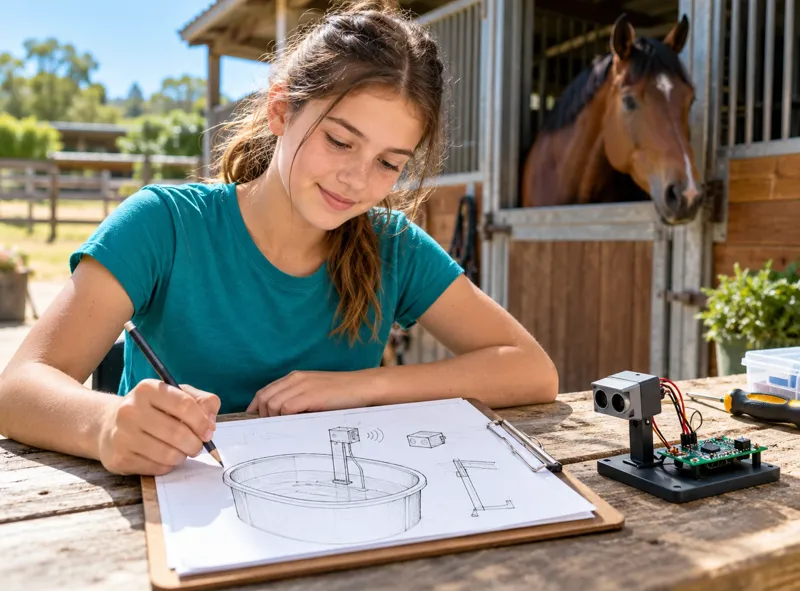 12–15
12–15Invent a Horse Tech Gadget
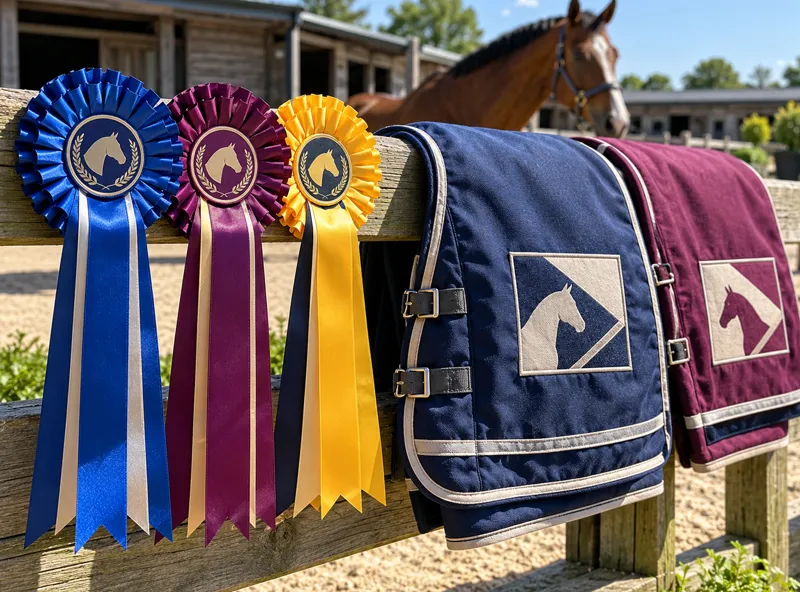 16–17
16–17Sponsorship and Sport
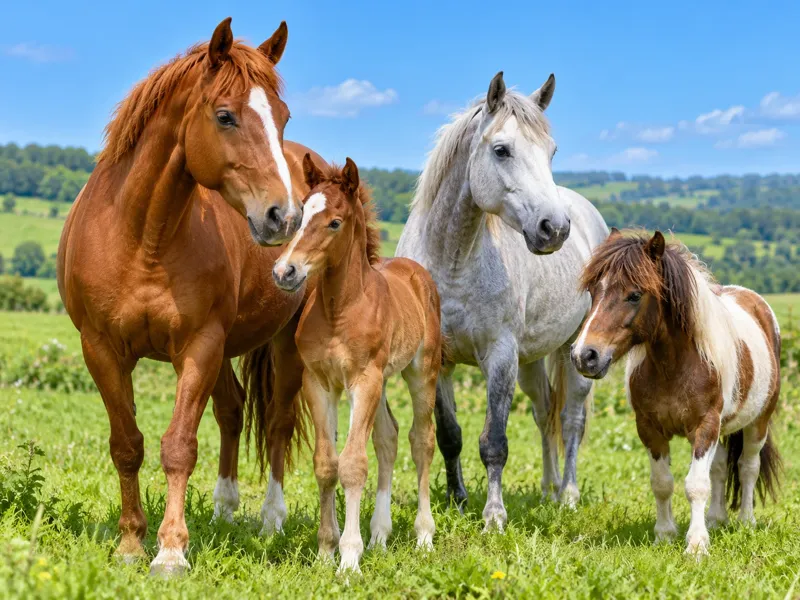 8–11
8–11Why Horses Live in Herds
 12–15
12–15Build a Social Media Campaign for a Yard
 16–17
16–17Franchise a Riding School Concept
 8–11
8–11What Makes a Happy Horse?
 12–15
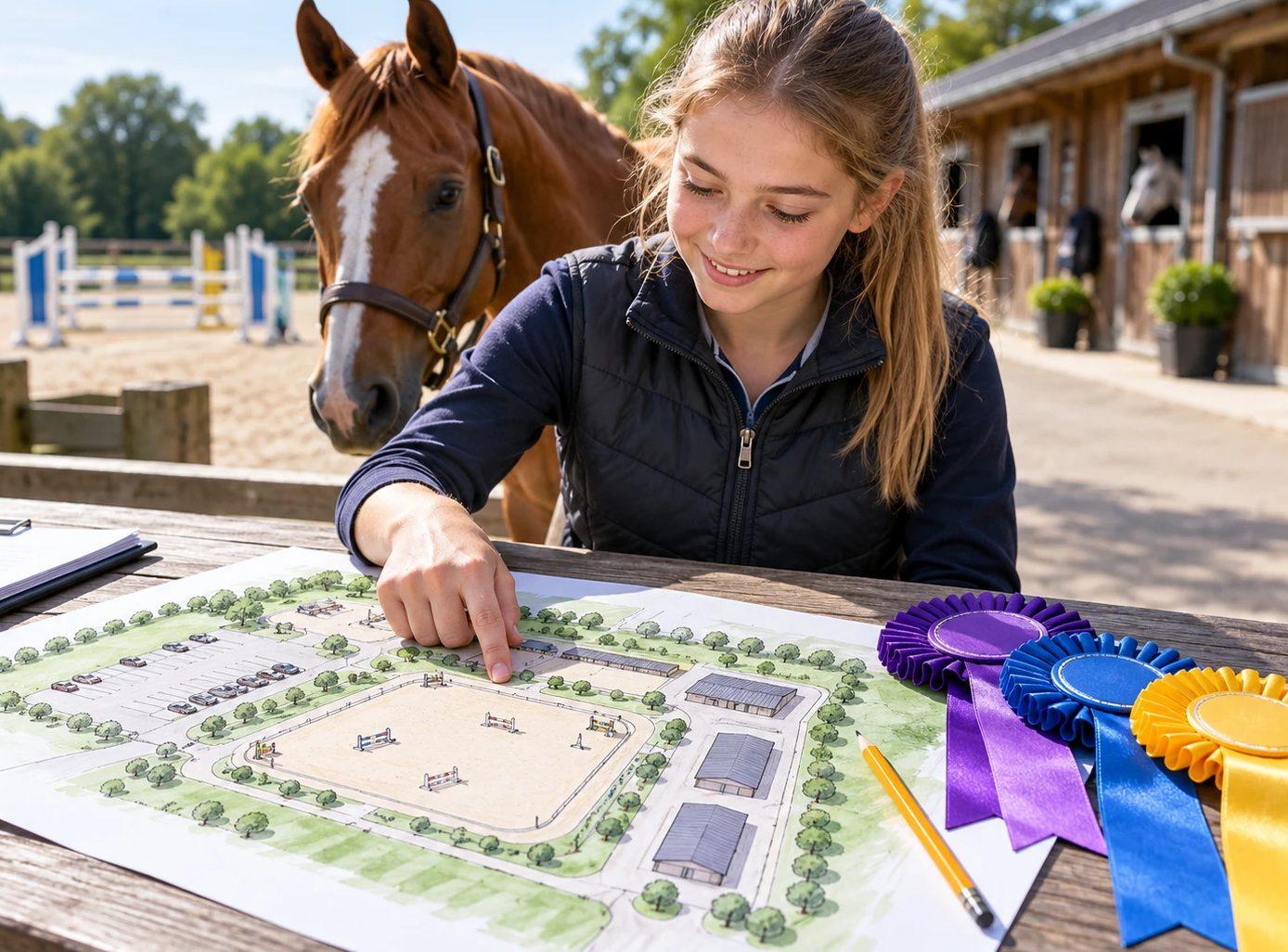
12–15Plan a Horse Show
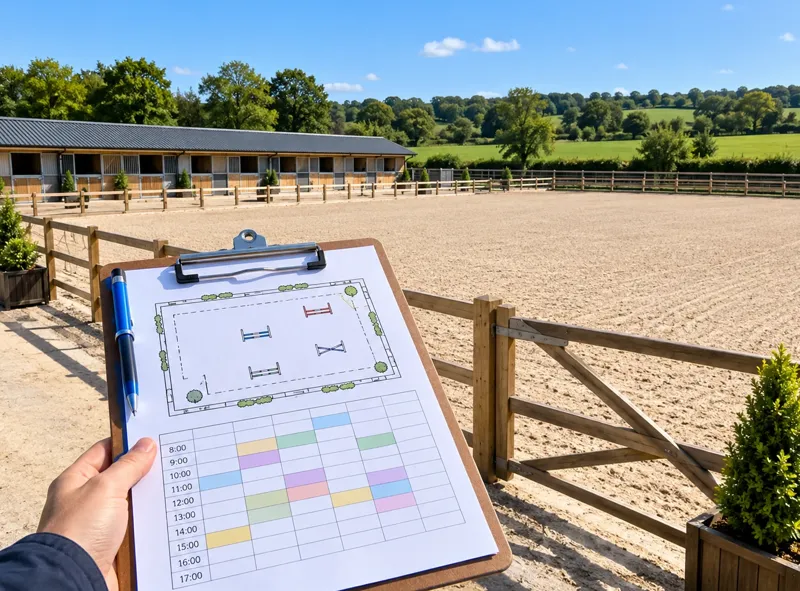 16–17
16–17Launch a Riding School
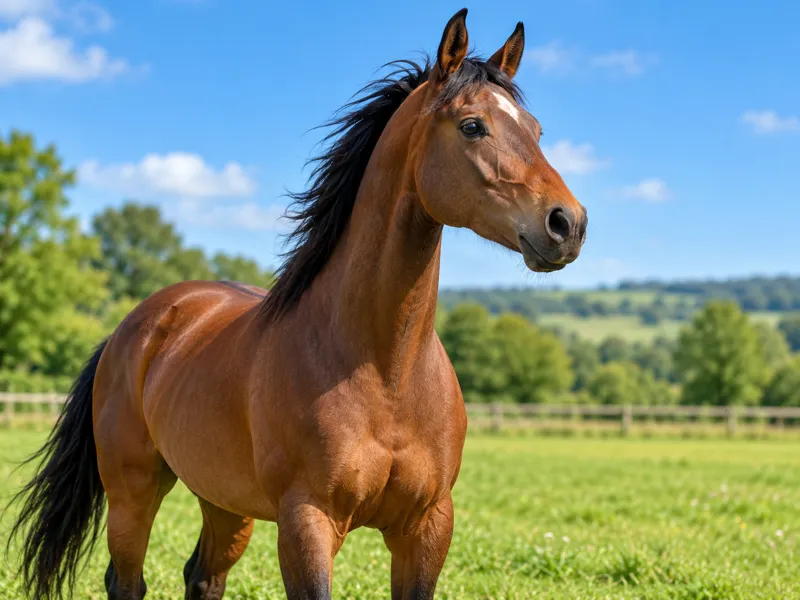 8–11
8–11Why Horses Spook
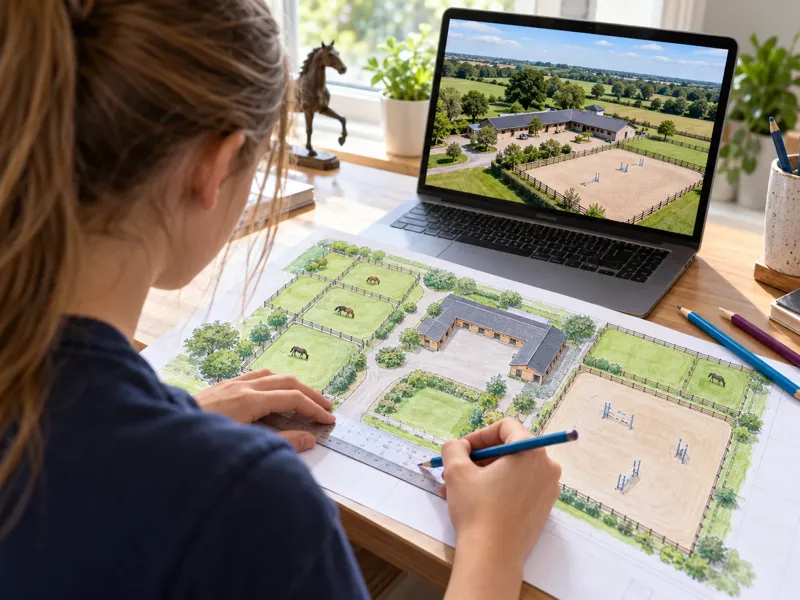 12–15
12–15Design Your Dream Yard
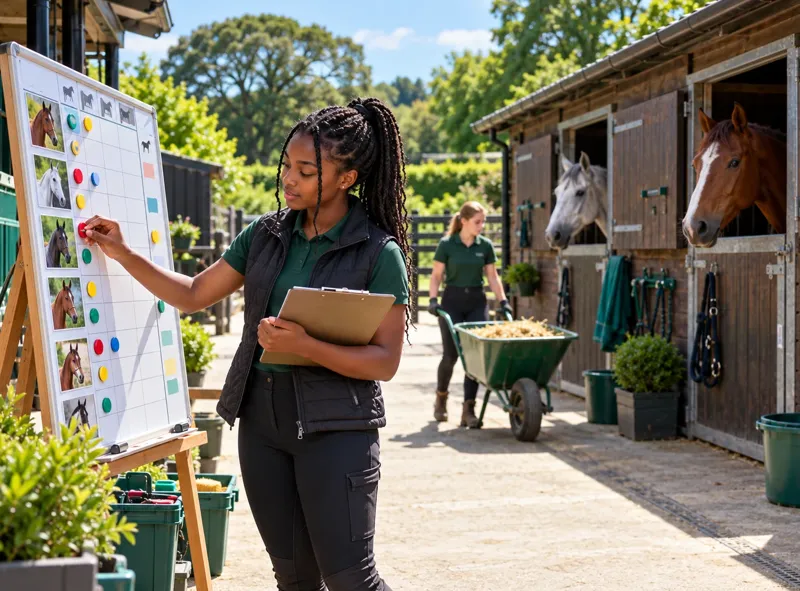 16–17
16–17Running a Livery Yard
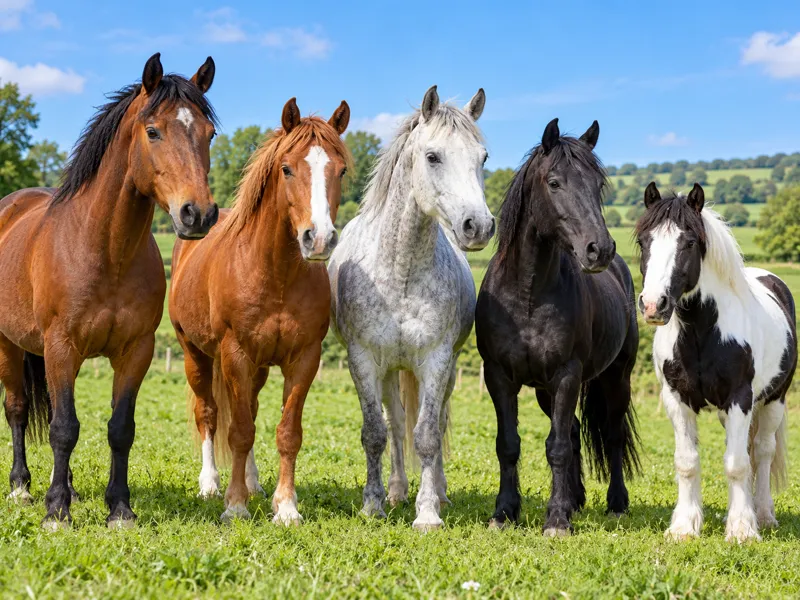 8–11
8–11Why Do Horses Come in So Many Colours?
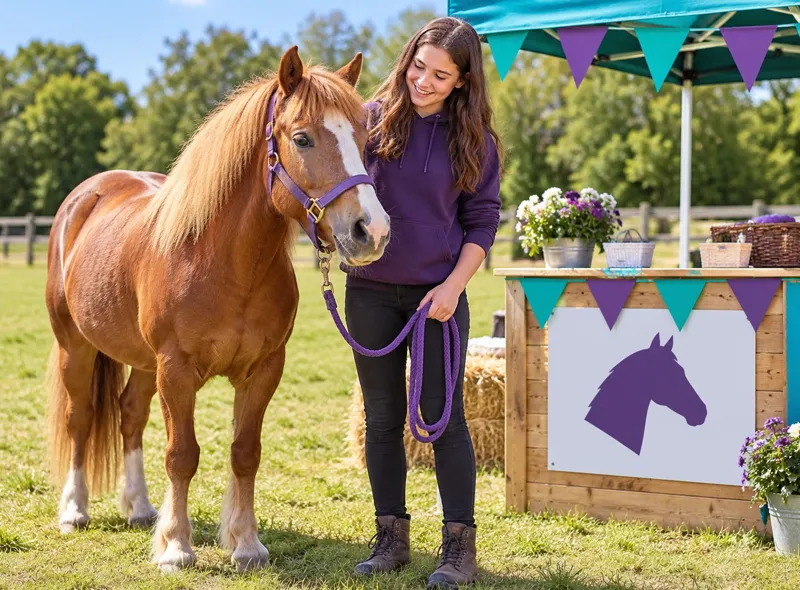 12–15
12–15Launch a Pop-Up Pony Experience
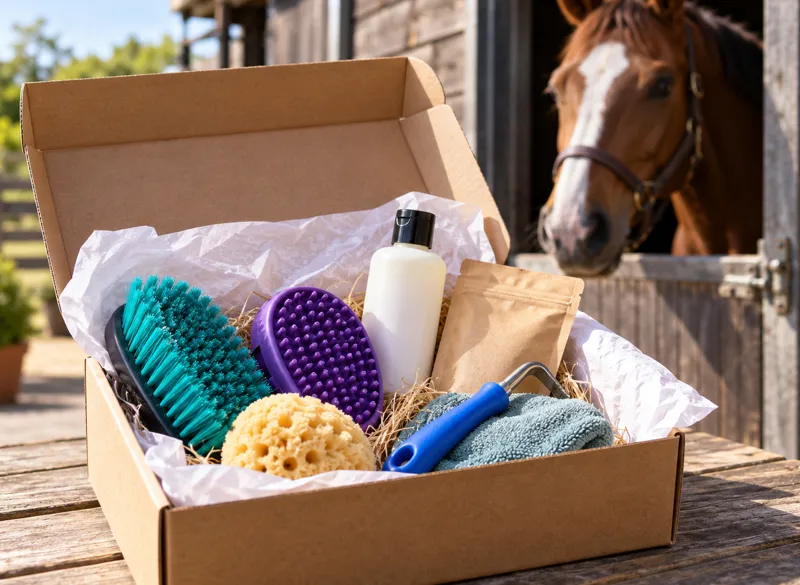 16–17
16–17Create an Equestrian Subscription Box
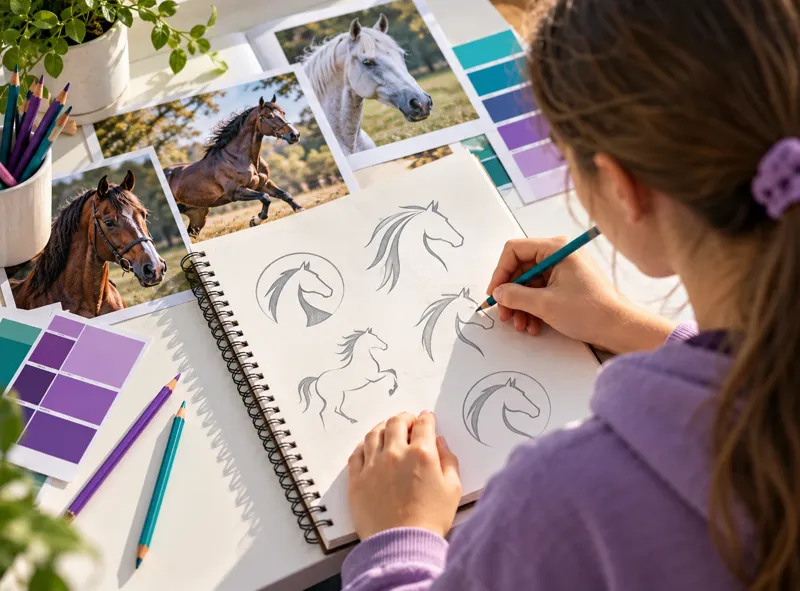 12–15
12–15Start Your Own Equestrian Brand
 16–17
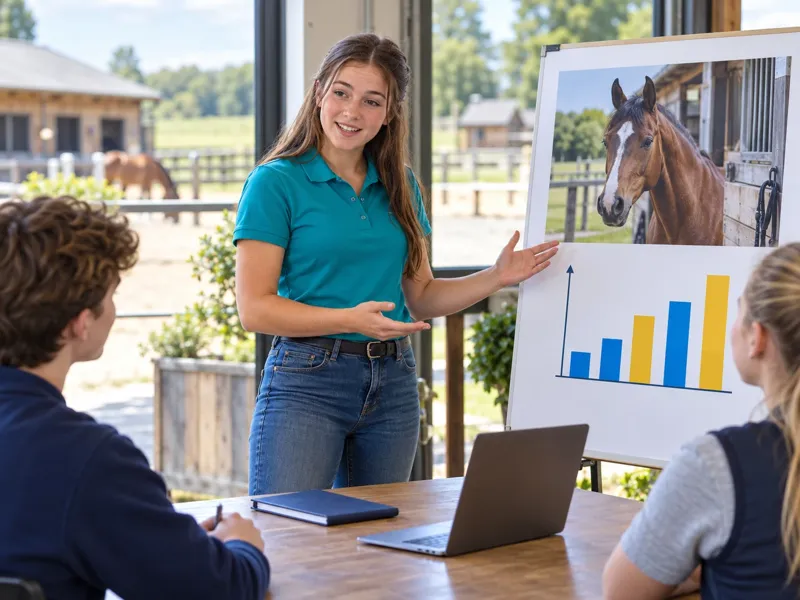
16–17Pitch Your Equestrian Business
Why we exist
Choice supports engagement.
Choice, relevance and interest help learners connect with learning.
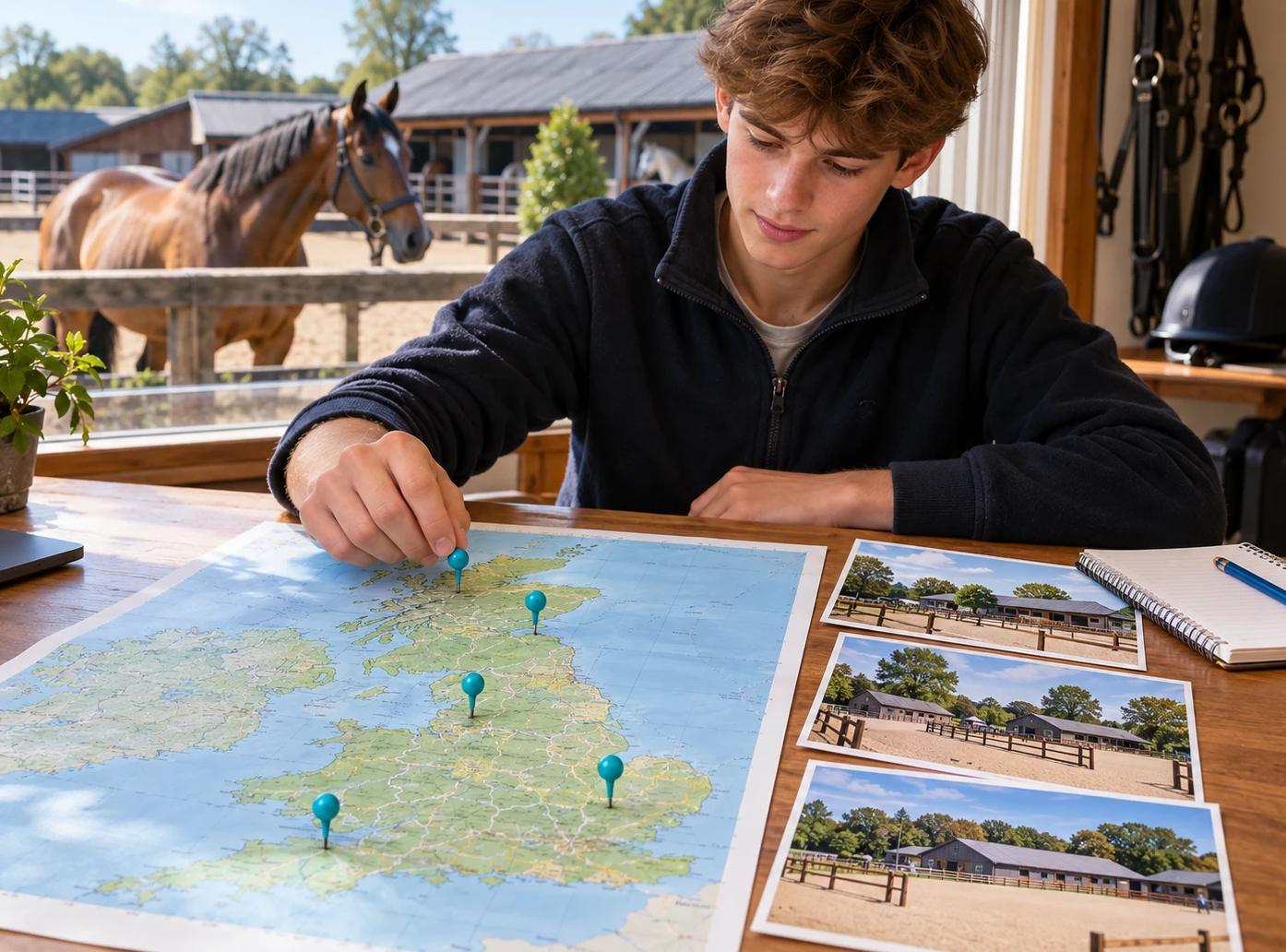
When learners can make meaningful choices about how they take part, they are more likely to engage and keep going.
WatchVideo lessons
ListenAudio support
Aa
ReadOn screen
More motivation
More confidence
Better participation
Evidence: Universal Design for Learning
Community Interest Company
Not for profit · SC876746
We create accessible learning opportunities where people can build skills, develop confidence and move towards their own goals.
How learning works
Truly immersive and adaptable learning
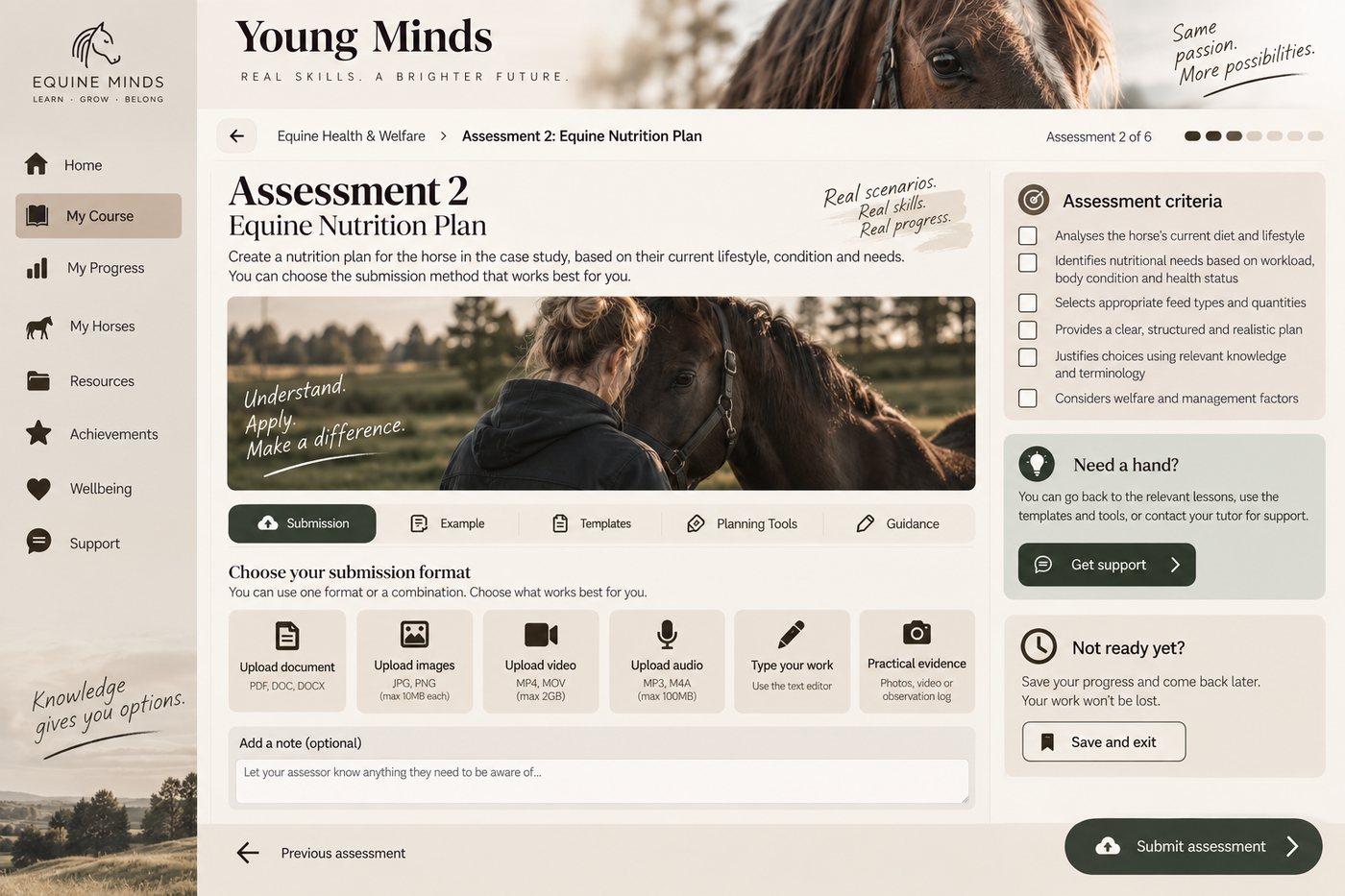
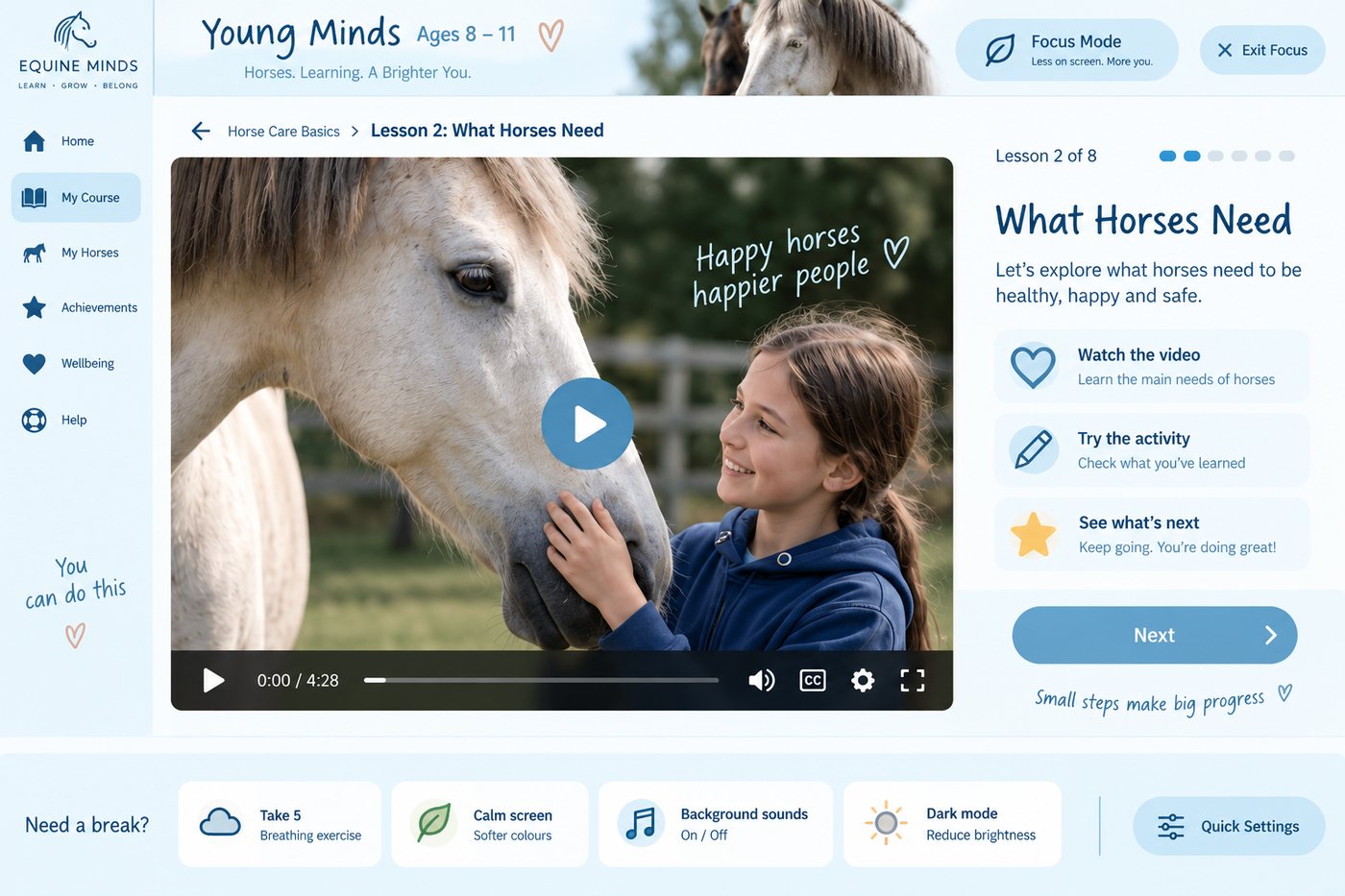
Our custom-built platform supports different ways of learning, progressing and moving forward.
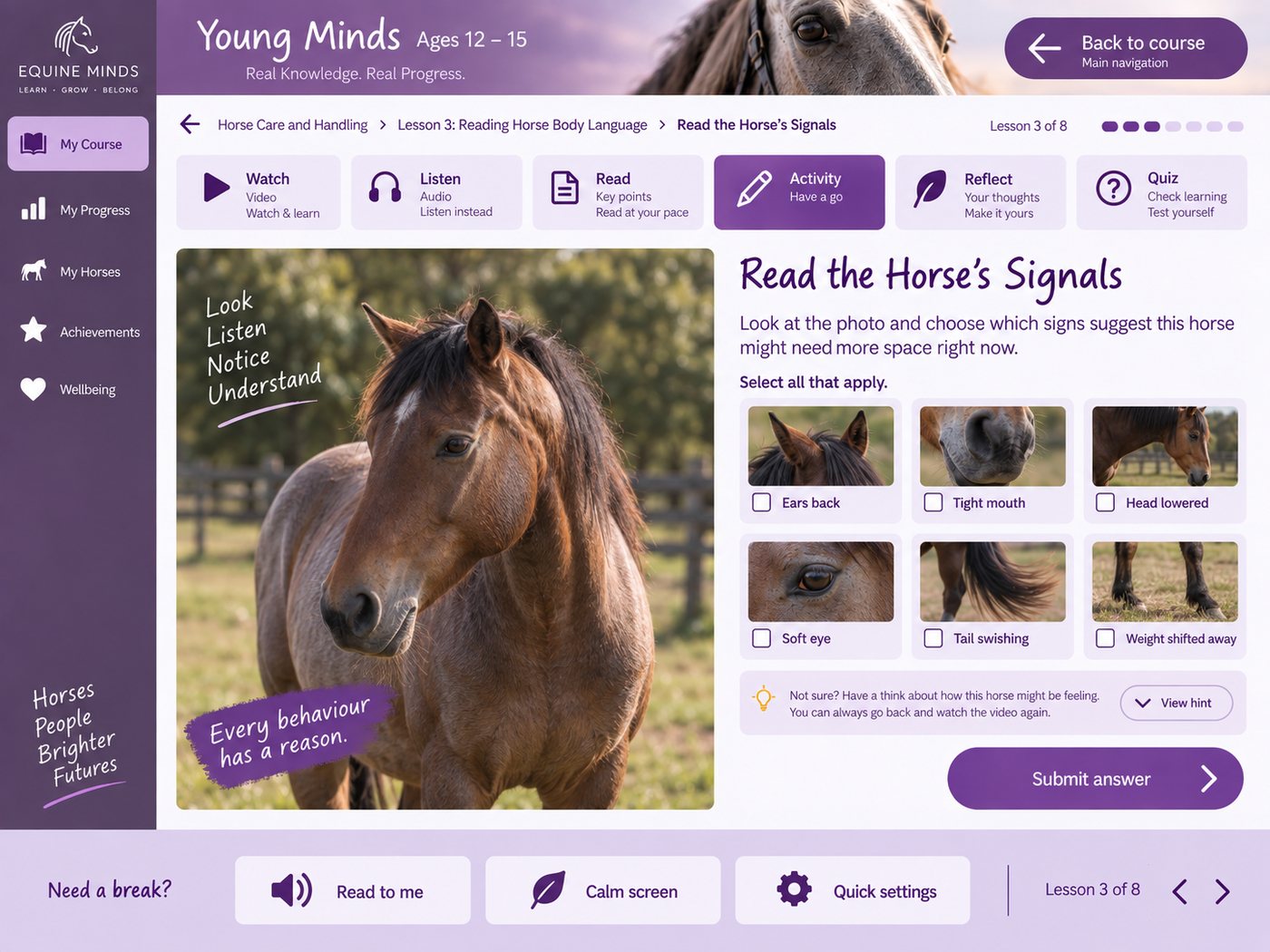
Building confidence and self-belief is at the heart of Equine Minds. Learners set their own goals. Our role is to help them find a route that works for them and support them all the way there.
We do that by offering different ways to learn, encouraging creativity and independent thinking, and making sure feedback is positive, specific and always gives a clear next step.
For some learners, progress starts with re-engaging in learning itself. That matters just as much as the final achievement. We want learners to feel capable, interested and proud of the progress they are making.
What you learn matters. How you get there should work for you.
Built around real learners
Ways to learn
NeuroinclusivityBUILT IN. BY DESIGN.
No diagnosis is needed to use the learning supports built into Equine Minds.
Read
Written lessons, with Read to Me audio.
Listen
Hear lesson content read aloud.
Watch
Follow demonstrations in video lessons.
Practice
Try an activity or knowledge check.
Launching soon
We’re getting our courses ready. In the meantime, explore the pathways and find a place to begin.
Explore the pathways →