Equine MindsYoung people
Under 18
Built for young people
The under-18 pathway brings together interest-led learning, practical equine knowledge, personal development, employability and opportunities for accredited progression. It is a deliberately designed learning environment in its own right, created to help young people build confidence, knowledge and meaningful next steps.
Who this is for
Could this be the right fit?
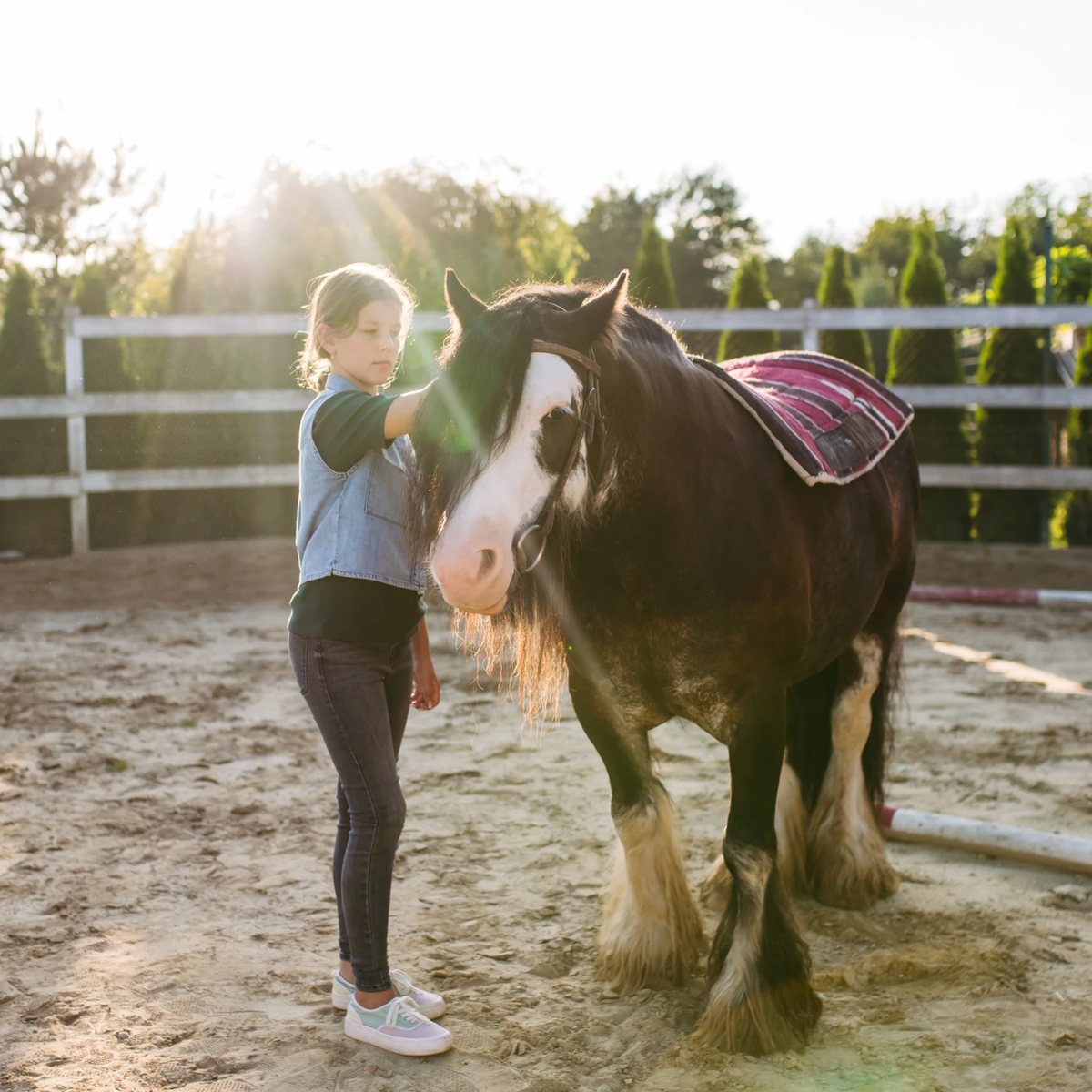
Equine Minds is open to all young learners. It was created with neurodivergent young people in mind, offering a flexible and unique way to learn.
It may suit young people who:
- Are curious about horses and want to explore the subject further
- Want to work towards recognised certificates that could support future college or work goals
- Are home educated and want engaging, interest-led topics to support learning at home
- Enjoy practical activities and having a go
- Like to read, listen, watch or learn by doing, and want the freedom to try different options
- Have lost confidence and want to enjoy learning again
- Want to build knowledge and skills at their own pace, without pressure or fixed expectations
Age bands
How learning changes with age
-
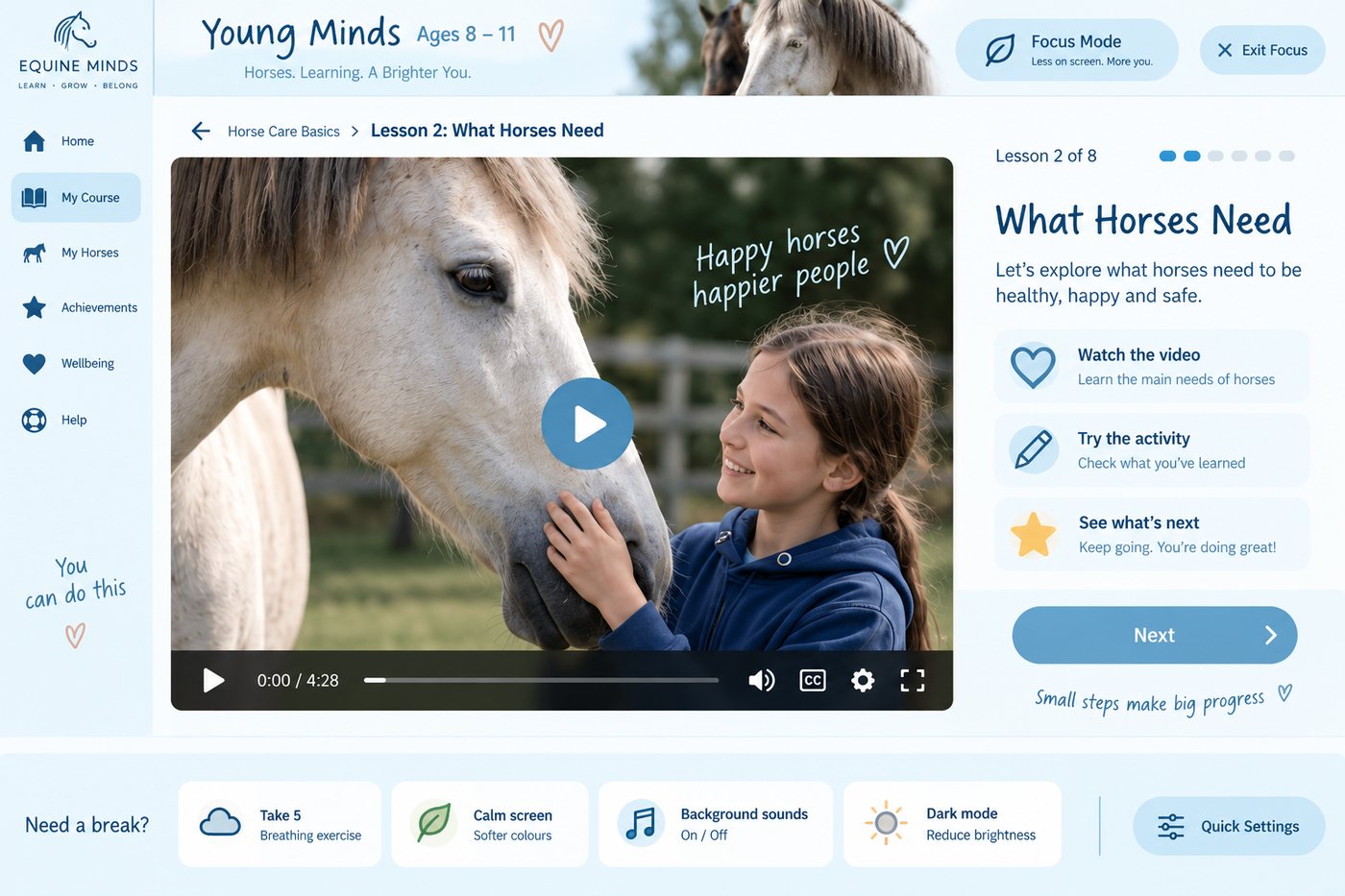
8 to 11
Explore
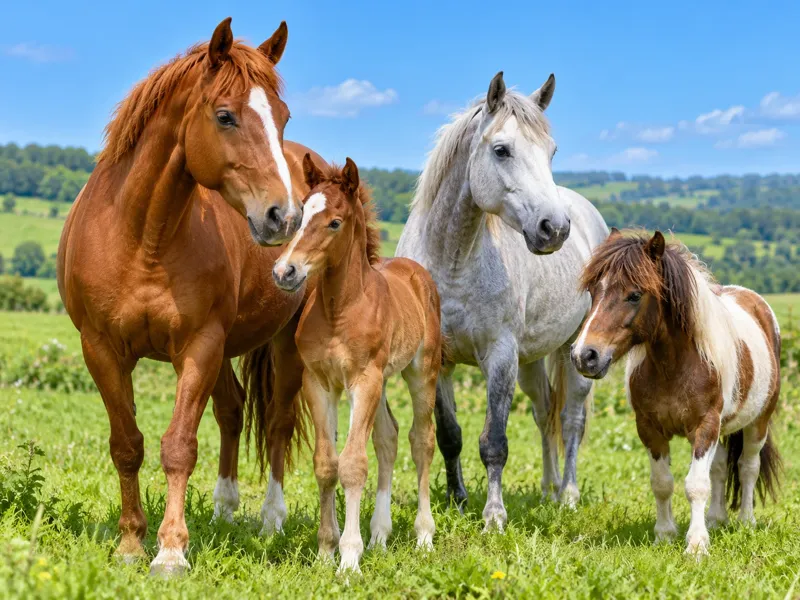
Fun, interest-led horse learning through short lessons, themed units, projects and activities. Learners choose how they learn, whether that is reading, listening, watching or having a go, and can earn certificates and badges along the way.
-
12 to 15
Develop
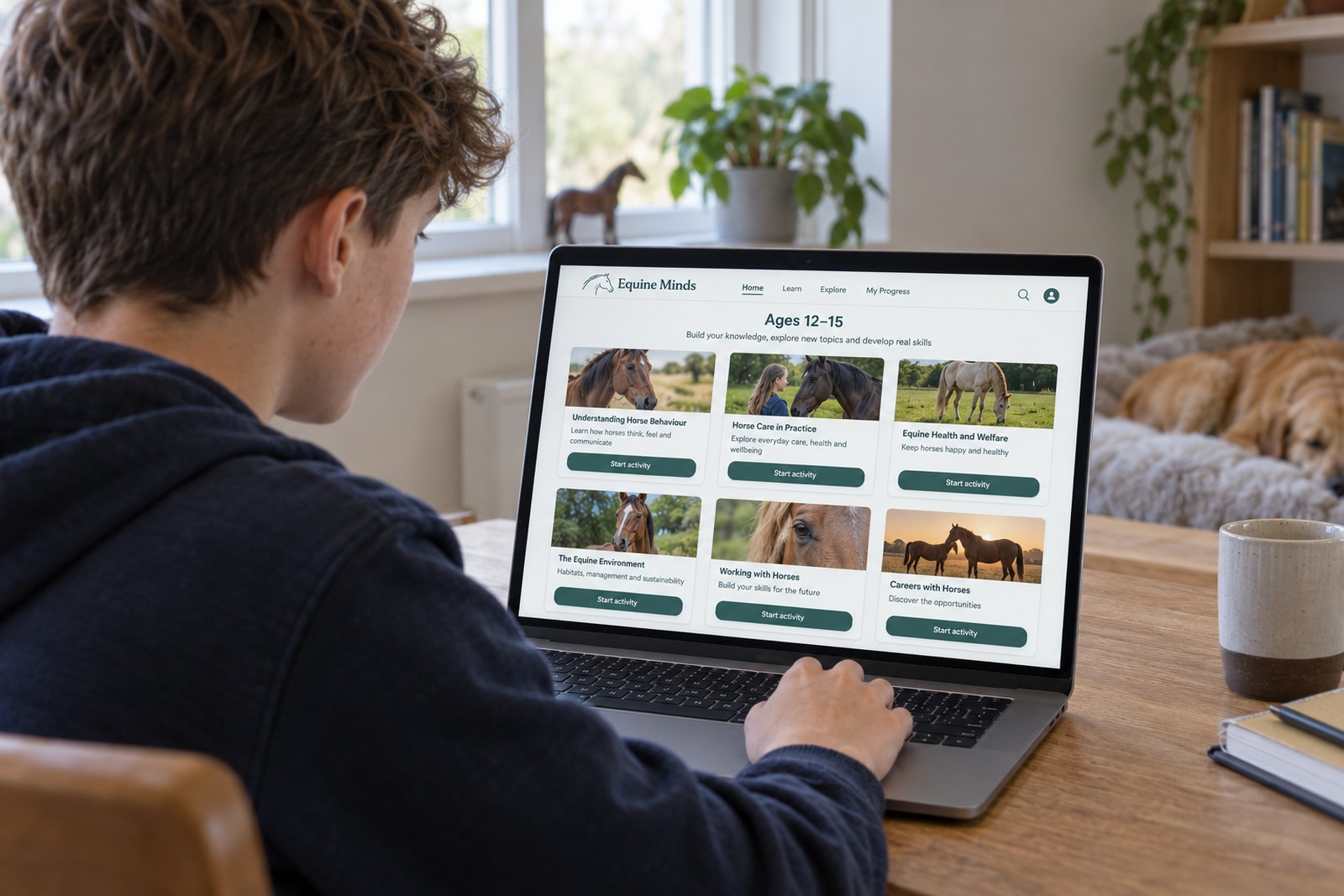
Building deeper knowledge and practical skills, with a learning space of their own. Learners choose how they learn and how they are assessed, and can begin accredited learning, subject to each course's own standard. Always an option, never expected.
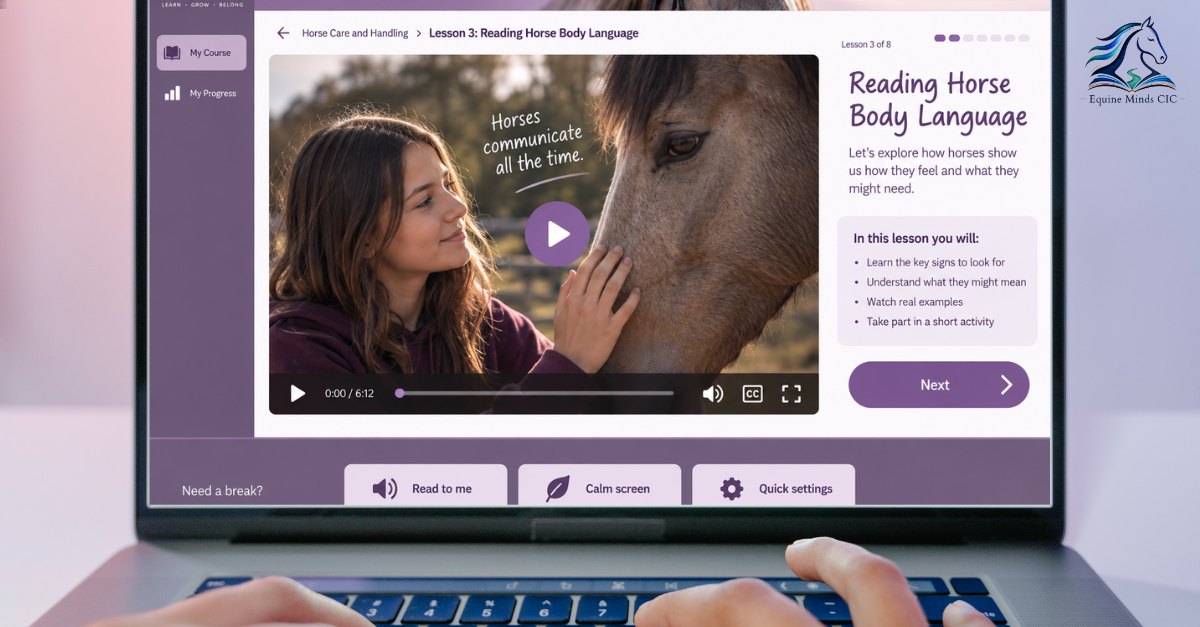

-
16 to 17
Launch
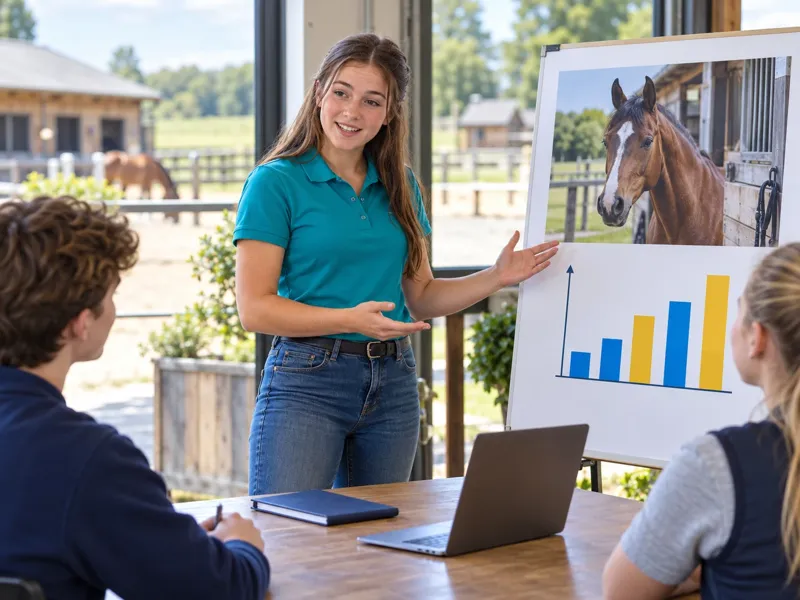
Stronger employability and vocational focus, with greater learner independence. Learners still choose how they learn and how they are assessed, with the option of valuable recognised certification. Always an option, never expected.
A higher minimum age stated by an individual course standard or accrediting body always overrides these bands.
What you can expect to see
Useful visibility
Progress
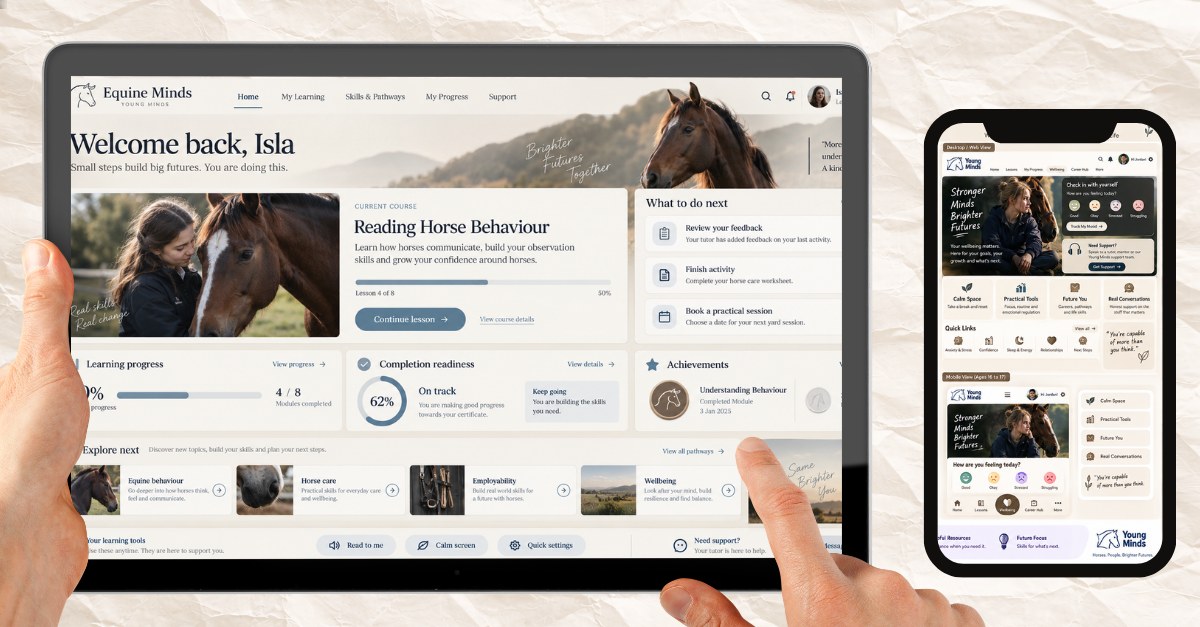
Current enrolment, progress through modules and lessons, and what is still outstanding.
Achievement
Assessment status, tutor feedback, certificate-readiness and downloadable achievement records where relevant.
Next steps
Key dates, practical requirements and support routes, so you always know what happens next.
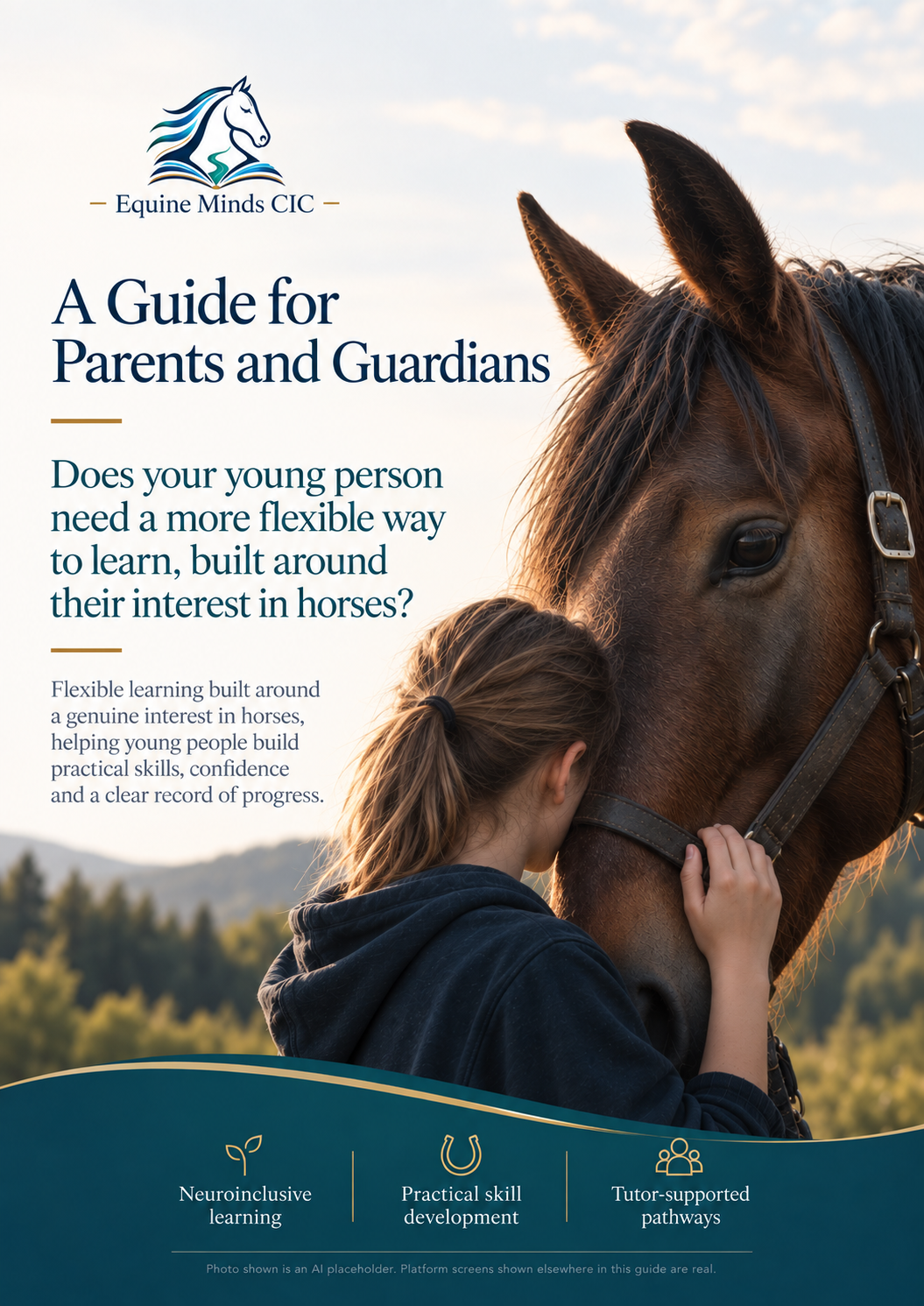
A Guide for Parents and Guardians
Does your young person need a more flexible way to learn, built around their interest in horses?
Flexible learning built around a genuine interest in horses, helping young people build practical skills, confidence and a clear record of progress.
 Download the guide (PDF)
For 8 to 11 year olds, parents or guardians have greater oversight of purchase, consent and progress. For 16 to 17 year olds, safeguarding, consent and payment authority remain with the parent or guardian where legally required.